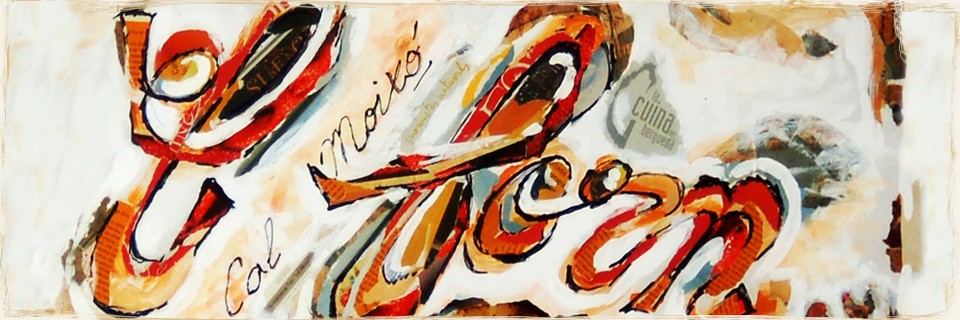
- Subtle beauty captured in textures around https://anwynhowarth.com for discerning collectors
- The Allure of Textured Art: A Deep Dive
- Building a Collection: Considerations for Discerning Buyers
- The Role of Lighting in Showcasing Textured Art
- The Intersection of Technology and Traditional Texture
- Expanding the Sensory Experience: Beyond the Visual
Subtle beauty captured in textures around https://anwynhowarth.com for discerning collectors
The digital landscape is constantly evolving, and within it, the appreciation for nuanced artistry finds a special corner. Sites like https://anwynhowarth.com offer a curated experience for those who seek beauty in the details, specifically focusing on textures and artistic expression. This isn't just about viewing images; it’s about connecting with a vision, a technique, and a particular aesthetic sensibility. The appeal lies in the subtle details, the imperfections that often lend character and depth to a piece of art, and the stories that these textures silently tell.
For collectors and enthusiasts alike, the ability to discover and engage with such refined work online is increasingly important. It provides a platform for artists to showcase their skills and for audiences to find pieces that resonate with their personal tastes. The online world allows a level of accessibility previously unavailable, breaking down geographical barriers and fostering a global community of art lovers. Understanding the value proposition of these carefully curated spaces requires an appreciation for the delicate balance between presentation, artistic merit, and the unique experience offered to the discerning eye. The aim is to move beyond merely seeing an image to truly feeling the artistry.
The Allure of Textured Art: A Deep Dive
Textured art, in its many forms, possesses a unique ability to captivate and engage viewers on a deeper level than purely representational pieces. This is because texture introduces a tactile element, even when experienced visually. It invites the eye to wander, to explore the surface, and to imagine the feeling of the material itself. The artist's choice of medium – whether it be paint, clay, fabric, or digital tools – plays a crucial role in creating this effect. Different textures evoke different emotions and sensations: smooth surfaces can suggest tranquility and elegance, while rough or uneven textures can convey energy, resilience, or even a sense of the primitive. The deliberate manipulation of texture is a powerful tool for an artist to communicate their intent and create a specific atmosphere. Consider the difference between a photograph of silk and a photograph of bark; each evokes a vastly different emotional response, largely due to the perceived texture.
The emergence of digital art has expanded the possibilities for texture creation even further. Artists can now simulate a wide range of textures with incredible realism, layering digital brushes and effects to achieve nuanced and complex results. This allows for experimentation and innovation that might be impossible with traditional media. However, even in the digital realm, the principles of texture remain the same: understanding how light interacts with different surfaces, how to create depth and dimension, and how to use texture to guide the viewer's eye. This understanding is essential for any artist, regardless of their chosen medium. It’s about creating a visual language that transcends the limitations of the canvas or the screen.
| Texture Type | Common Materials |
|---|---|
| Rough | Sandpaper, burlap, impasto paint |
| Smooth | Glass, polished stone, silk |
| Granular | Salt, sugar, sand |
| Layered | Collage, resin, multiple paint layers |
The careful consideration of texture extends beyond simply making something look or feel appealing. It’s about communicating a narrative, establishing a mood, or even challenging the viewer's perception of reality. An artist might use a rough texture to symbolize hardship or resilience, or a smooth texture to represent serenity or perfection. This ability to imbue texture with meaning is what elevates art from mere decoration to a powerful form of expression. The textures become signifiers, a visual shorthand for complex ideas and emotions.
Building a Collection: Considerations for Discerning Buyers
Acquiring art, especially textured art, is a deeply personal journey. It requires careful consideration, not just of aesthetic appeal, but also of the artist’s vision, the quality of the materials, and the overall investment potential. When building a collection, it’s important to define your own artistic preferences and to be guided by your intuition. Are you drawn to bold and dramatic textures, or do you prefer subtle and understated effects? Are you interested in a specific medium or technique? These are important questions to ask yourself before you begin. It’s also helpful to research different artists and their work, to understand their process and their artistic statement. A strong artist statement can provide valuable insight into the meaning behind the work and the artist’s intentions.
Beyond aesthetics, practical considerations come into play. The provenance of the artwork – its history of ownership and authenticity – is crucial. A reputable dealer or gallery can provide documentation and guarantees of authenticity. Additionally, consider the long-term care and preservation of the artwork. Textured pieces, especially those made with delicate materials, may require special handling and storage to prevent damage. Understanding the materials used and their potential vulnerabilities is essential for ensuring the longevity of your investment. Think about how the piece will interact with its environment – light, humidity, and temperature can all affect the artwork over time.
- Research the artist’s background and artistic philosophy.
- Examine the materials used and their quality.
- Verify the provenance and authenticity of the artwork.
- Consider the long-term care and preservation requirements.
- Assess the artwork's aesthetic appeal and its resonance with your personal tastes.
Ultimately, building a collection should be a rewarding experience. It’s about surrounding yourself with pieces that inspire you, challenge you, and bring you joy. Don't be afraid to take risks and to trust your own judgment. A well-curated collection is a reflection of your personality, your values, and your appreciation for the beauty and power of art. It’s a testament to your unique vision and a source of ongoing enrichment. It’s also a potential financial asset, but the primary value should always be the personal connection you have with the work.
The Role of Lighting in Showcasing Textured Art
Lighting is paramount when it comes to showcasing textured art. It's not merely about illumination; it's about revealing the nuances, the depth, and the inherent drama within the artwork. The way light interacts with the surface of a textured piece can drastically alter its appearance, highlighting its contours, shadows, and subtle variations. A poorly lit artwork can appear flat and lifeless, while a well-lit piece can come alive with depth and dimension. Different types of lighting can achieve different effects. For instance, directional lighting, such as spotlights, can emphasize the peaks and valleys of a textured surface, creating a sense of drama and three-dimensionality. Diffused lighting, on the other hand, provides a softer, more even illumination, which is ideal for showcasing subtle textures and delicate details. It’s about finding the right balance between highlighting the texture and preserving the integrity of the colors.
Consider the angle of the light source. Lighting from the side or above can create long, dramatic shadows that accentuate the texture, while lighting from below can create a more surreal or ethereal effect. Experimenting with different angles and intensities is crucial to understanding how the light interacts with the artwork. In a home setting, it's important to consider both natural and artificial light. Natural light is often the most flattering, but it can be inconsistent and subject to change throughout the day. Artificial lighting provides more control, allowing you to create a consistent and predictable lighting environment. Using a combination of ambient and accent lighting can further enhance the effect. Ambient lighting provides overall illumination, while accent lighting can be used to highlight specific areas of the artwork.
- Use directional lighting to emphasize texture.
- Experiment with different light angles.
- Combine ambient and accent lighting.
- Consider the color temperature of the light.
- Ensure the lighting doesn’t cause glare.
The color temperature of the light also plays a significant role. Warm light (around 2700K) can create a cozy and inviting atmosphere, while cool light (around 5000K) can create a more modern and sophisticated look. It's important to choose a color temperature that complements the colors of the artwork and enhances its overall aesthetic. Finally, avoid glare, which can obscure the texture and make it difficult to appreciate the details. Using anti-reflective glass or positioning the artwork away from direct light sources can help minimize glare. When in doubt, consult with a professional art lighting specialist who can provide tailored recommendations for your specific artwork and space.
The Intersection of Technology and Traditional Texture
The lines between traditional art forms and digital technologies are becoming increasingly blurred, leading to exciting new possibilities in texture creation. Artists are now using a variety of digital tools and techniques to enhance and expand upon traditional methods, resulting in hybrid pieces that showcase the best of both worlds. This includes utilizing software like Adobe Photoshop or Procreate to digitally manipulate textures, creating intricate patterns and effects that would be difficult or impossible to achieve by hand. Digital sculpting tools also allow artists to create three-dimensional textures that can then be incorporated into physical artworks or presented as standalone digital pieces. The integration of 3D printing further extends this capability, enabling the creation of physical objects with complex textured surfaces. This represents a shift in the artistic process, where technology is not simply a replacement for traditional methods, but rather a powerful extension of them.
Another intriguing development is the use of augmented reality (AR) and virtual reality (VR) to enhance the viewing experience of textured art. AR allows viewers to overlay digital textures onto physical artworks, creating dynamic and interactive displays. VR, on the other hand, offers a fully immersive experience, allowing viewers to step inside the artwork and explore its textures from every angle. This can be particularly effective for showcasing large-scale or complex textured pieces that might be difficult to fully appreciate in a traditional gallery setting. These technologies are not just about aesthetics; they’re about accessibility and engagement. They make art more interactive, more personalized, and more meaningful for the viewer. The exploration of these digital avenues is becoming an increasingly important part of how artists reach wider audiences.
Expanding the Sensory Experience: Beyond the Visual
While the visual element is central to appreciating textured art, the most forward-thinking artists are exploring ways to expand the sensory experience beyond sight. This involves incorporating elements of sound, scent, and even tactile feedback to create a more immersive and engaging encounter with the artwork. For example, an artist might create a soundscape that complements the visual textures of a piece, evoking a particular mood or atmosphere. This could involve using ambient sounds, musical compositions, or even recordings of natural textures, such as the rustling of leaves or the crashing of waves. The incorporation of scent can also add another layer of sensory depth, evoking memories and associations that enhance the emotional impact of the artwork. Imagine an artwork inspired by a forest, accompanied by the scent of pine needles and damp earth.
Furthermore, the integration of haptic technology – technology that provides tactile feedback – can allow viewers to physically feel the textures of the artwork. This could involve using specialized gloves or surfaces that simulate the sensation of touching different materials. While still in its early stages of development, this technology has the potential to revolutionize the way we experience art, allowing us to engage with it on a much deeper and more visceral level. It’s about breaking down the barriers between the artwork and the viewer, creating a truly immersive and multi-sensory experience. Sites like https://anwynhowarth.com are at the forefront of considering these expanded possibilities, showcasing work that often hints at such integrations. The future of art is not just about what we see, but about what we feel, hear, smell, and experience. It’s about creating a holistic and emotionally resonant encounter with the creative spirit.
No comments