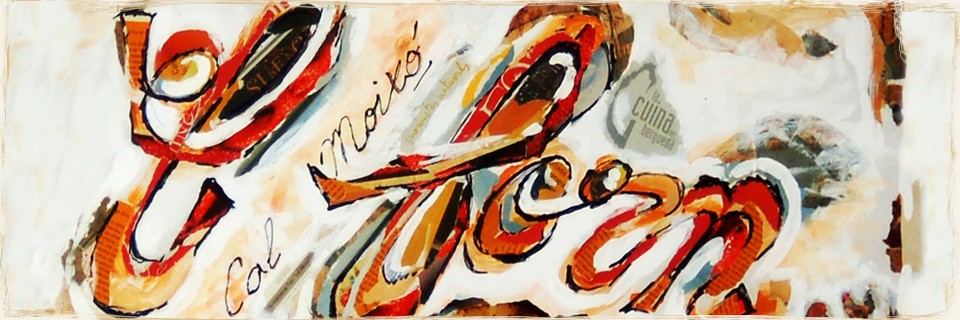
- Vibrant artistry surrounding spinking for modern design enthusiasts
- The Historical Roots of Visual Distortion
- Modern Applications of Spinking in Design
- Tools and Techniques for Achieving the Spinking Effect
- The Psychological Impact of Distorted Visuals
- Ethical Considerations and Avoiding Overuse
- Future Trends and the Evolution of Spinking
Vibrant artistry surrounding spinking for modern design enthusiasts
The artistic landscape is constantly evolving, and within it, unique techniques emerge, capturing the attention of designers and creators alike. One such technique, gaining traction for its mesmerizing effects, is spinking. It’s more than just a visual style; it’s a method of manipulating color, form, and texture to create dynamic and often ethereal designs. This approach extends beyond simple aesthetic appeal, delving into the psychological impact of visual movement and the perception of depth.
The rise of digital art and design tools has played a significant role in popularizing this technique, allowing artists to experiment with complexities that were previously unattainable. The ability to layer, blend, and distort visuals with precision opens up endless possibilities for incorporating this innovative style into a wide range of projects – from branding and web design to illustration and motion graphics. Understanding the nuances of this process, its origins, and its potential applications is crucial for any modern design enthusiast looking to push creative boundaries.
The Historical Roots of Visual Distortion
While the term ‘spinking’ is relatively new in the design lexicon, the core principles behind it – the manipulation of visual perception through distortion – have a long and fascinating history. Artists have been exploring techniques to create illusions of movement and depth for centuries. Consider the surrealist paintings of Salvador Dalí, where melting clocks and distorted figures challenge our understanding of reality, or the early experiments with photography and double exposure that created ghostly, layered effects. These historical movements laid the groundwork for the more contemporary methods we see today.
The origins can also be traced back to the exploration of psychedelic art in the 1960s, where artists sought to visually represent altered states of consciousness. Techniques like liquid light shows and kaleidoscopic projections heavily relied on distortion and the manipulation of color to create immersive and disorienting experiences. This aesthetic wasn’t purely visual; it was inherently tied to a cultural moment of experimentation and pushing boundaries. The influence of these early explorations continues to resonate in modern design.
| Technique | Historical Period | Key Characteristics |
|---|---|---|
| Surrealism | Early 20th Century | Distortion of reality, dreamlike imagery, subconscious exploration |
| Psychedelic Art | 1960s | Vibrant colors, fluid forms, altered perception, immersive experiences |
| Op Art (Optical Art) | 1960s | Illusion of movement, visual vibrations, precise geometric patterns |
| Glitch Art | Late 20th/Early 21st Century | Intentional errors and artifacts, digital distortion, exploration of technological failures |
More recently, the advent of glitch art, born from the imperfections of digital systems, has contributed to the vocabulary of visual distortion. The intentional embrace of digital artifacts and errors as aesthetic elements creates a raw, unconventional aesthetic. These historical precedents demonstrate that the desire to manipulate visual perception is a recurring theme throughout art history, and that ‘spinking’ can be seen as a continuation of this exploration, but employing modern tools and aesthetic sensibilities.
Modern Applications of Spinking in Design
Today, this technique manifests in a multitude of ways. In graphic design, it can involve the subtle warping of text or images to create a sense of dynamism. Web designers are using these elements to create immersive scrolling experiences and attention-grabbing animations. The technique is particularly prevalent in motion graphics and video editing, where it adds a layer of surrealism and visual interest to animations and special effects. It’s not limited to purely digital applications, either; physical installations and projections can also leverage distorted visuals to create impactful and memorable experiences.
A key aspect of ‘spinking’ in modern design is its adaptability. It can be employed in a minimalist and understated manner, adding a subtle nuance to an otherwise clean aesthetic, or it can be used more boldly, creating a highly expressive and chaotic visual experience. The crucial element is intentionality. The distortion should serve a purpose, whether it’s to emphasize a particular message, evoke a specific emotion, or simply add a layer of visual complexity.
- Branding and Identity: Creating unique logos and visual identities that stand out from the competition.
- Web Design: Enhancing user experience with interactive distortions and animations.
- Motion Graphics: Adding visual interest and dynamism to video content.
- Illustration: Developing striking and unconventional imagery.
- Virtual and Augmented Reality: Creating immersive and disorienting experiences.
- Social Media Content: Generating eye-catching visuals for platforms like Instagram and TikTok.
One common trend is combining ‘spinking’ with other design styles, such as vaporwave or retro aesthetics, to create a nostalgic and futuristic hybrid look. This blending of styles further enhances the technique's versatility and appeal. The potential of ‘spinking’ to elevate visual communication is immense, and its continued evolution will undoubtedly shape the future of design.
Tools and Techniques for Achieving the Spinking Effect
The beauty of this manipulation lies in its accessibility. While mastery takes practice, the basic techniques can be learned and applied using a variety of readily available tools. Adobe Photoshop remains a cornerstone for many designers, offering a wide range of filters and effects – specifically, the Liquify filter – that allow for precise distortion of images. Similarly, Adobe After Effects provides powerful animation capabilities for creating dynamic visual effects. However, accessibility isn’t limited to Adobe products.
Free and open-source alternatives like GIMP and Krita offer similar functionalities, allowing designers to experiment with distortion and manipulation without significant financial investment. Furthermore, a growing number of online tools and plugins are emerging, specifically designed to simplify the process of creating ‘spinking’ effects. Experimentation with blending modes, color gradients, and layering techniques are also crucial for achieving nuanced and visually compelling results. The key isn't necessarily the sophistication of the tools, but rather a deep understanding of the underlying principles of visual distortion and how to apply them effectively.
- Liquify Filter (Photoshop): The primary tool for warping and distorting images. Experiment with different brush sizes and modes.
- Displacement Maps: Using grayscale images to control the distortion of another layer, create realistic warped effects.
- Wave Warps (Photoshop/After Effects): Generate repeating wave patterns for a rhythmic distortion.
- Turbulent Displace Filter (Photoshop): Creates organic, chaotic distortions.
- Blending Modes: Experiment with blending modes (Screen, Multiply, Overlay) to achieve different visual effects.
- Animation (After Effects): Animate distortions over time to create dynamic effects.
Often, the most striking results come from combining multiple techniques and layering effects. For instance, applying a subtle wave warp followed by a gentle Liquify distortion can create a more complex and organic feel. Utilizing a combination of digital tools and traditional artistic sensibilities will unlock the potential for truly unique and captivating designs.
The Psychological Impact of Distorted Visuals
Beyond its aesthetic appeal, ‘spinking’ harbors a significant psychological component. Our brains are hardwired to seek patterns and recognize order. When those patterns are disrupted, it creates a sense of unease, curiosity, and even disorientation. This response can be strategically harnessed in design to capture attention, evoke emotion, and create memorable experiences. The level of distortion plays a crucial role; subtle distortions can create a feeling of subliminal unease, while more extreme distortions can evoke a sense of chaos or the surreal.
This psychological impact is closely linked to the principles of Gestalt psychology, which emphasizes the brain’s tendency to perceive wholes rather than individual parts. Distorting visual elements disrupts the formation of easily recognizable wholes, forcing the brain to work harder to make sense of what it’s seeing. This increased cognitive effort can lead to heightened engagement and a more lasting impression. Designers can leverage this principle to draw attention to specific elements within a design or to create a sense of mystery and intrigue.
Ethical Considerations and Avoiding Overuse
While a powerful tool, it’s important to be mindful of the ethical implications of using distorted visuals. Overuse or aggressive distortion can be visually jarring and even induce anxiety or discomfort in viewers. Accessibility is also a key consideration; excessively distorted designs can be difficult for people with visual impairments to interpret. It’s essential to strike a balance between creative expression and user experience. Prioritize clarity and usability, ensuring that the distortion enhances, rather than hinders, communication.
Consider the context and target audience when employing this technique. What might be considered innovative and engaging in a cutting-edge art installation could be perceived as unprofessional or disorienting in a corporate branding campaign. Responsible design requires a thoughtful understanding of the potential impact of visual choices and a commitment to creating inclusive and accessible experiences for all users. The goal should not be to simply shock or disorient, but to create visual communication that is both aesthetically pleasing and ethically sound.
Future Trends and the Evolution of Spinking
The future of this trend appears incredibly dynamic. We are seeing a convergence of this technique with emerging technologies like artificial intelligence and generative art. AI algorithms can be used to create complex and unpredictable distortions, pushing the boundaries of what’s visually possible. Generative art tools allow designers to explore infinite variations of distorted patterns and textures, creating unique and personalized designs. This symbiotic relationship between human creativity and artificial intelligence will undoubtedly lead to exciting new developments.
Another emerging trend is the integration of ‘spinking’ with interactive and immersive experiences. Imagine virtual environments where the visual landscape dynamically distorts in response to user interaction, creating a truly personalized and engaging experience. The possibilities are limitless, and as technology continues to evolve, ‘spinking’ will undoubtedly remain a vital and influential force in the world of design, continually reshaping our perception of the visual world around us. Its ability to adapt and integrate with new technologies ensures its continued relevance and creative potential for years to come.
No comments